
While materials such as silicon carbide (SiC), tantalum carbide (TaC), and high-purity graphite often receive the most attention, another engineering material quietly plays a fundamental role behind the scenes: Carbon Carbon Composite (CFC).
From SiC crystal growth furnaces to high-temperature diffusion systems and vacuum sintering equipment, Carbon Carbon Composite provides the mechanical strength and thermal stability required to operate reliably under some of the harshest conditions in semiconductor manufacturing.
So, what exactly is Carbon Carbon Composite, where is it used, and why is it becoming increasingly important for next-generation semiconductor equipment?
What Is Carbon Carbon Composite (CFC)?
A High-Performance Carbon Matrix Composite
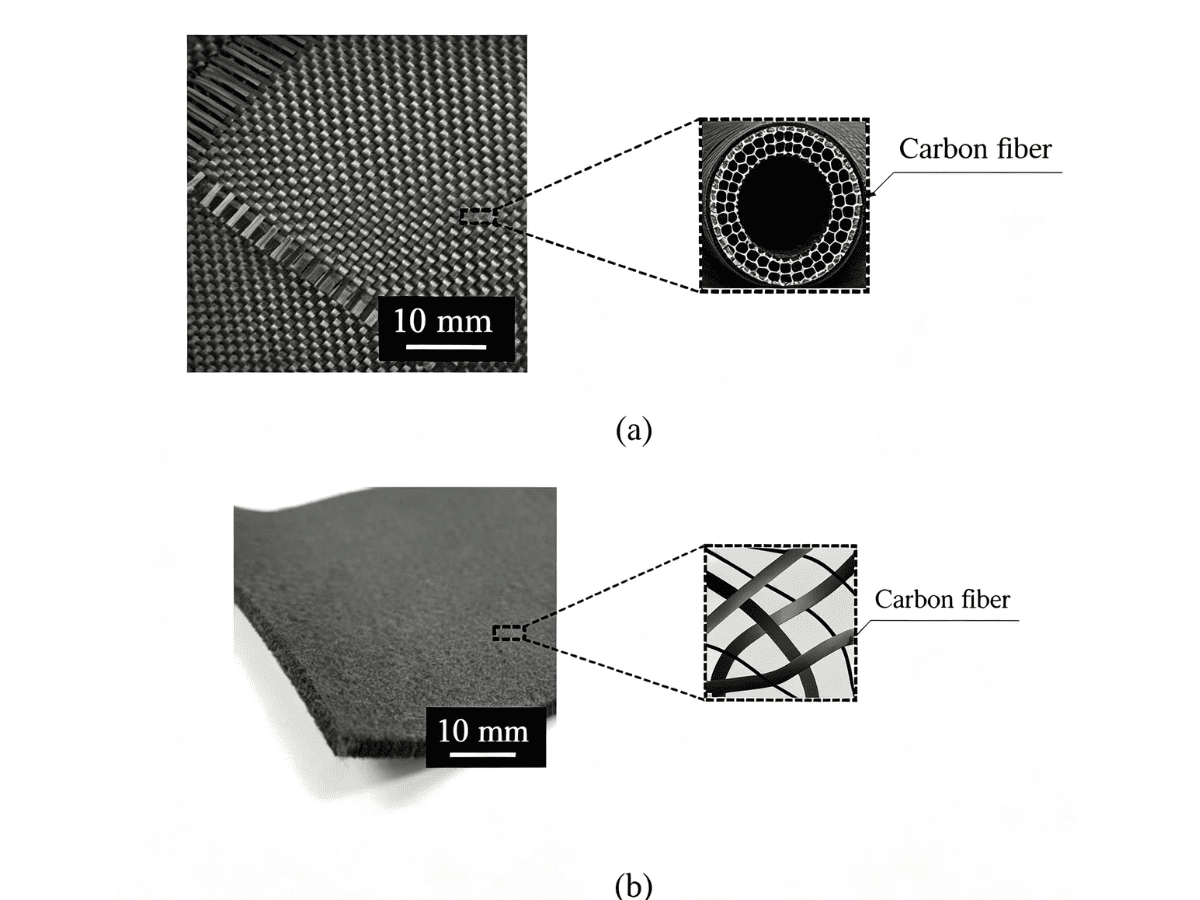
Carbon Carbon Composite (commonly abbreviated as CFC) is an advanced engineering material made by reinforcing a carbon matrix with high-strength carbon fibers.
Unlike conventional graphite, which consists of isotropic carbon grains, CFC features an interconnected fiber-reinforced structure that significantly improves mechanical performance while maintaining excellent thermal properties.
A typical CFC consists of two primary components:
✔ Carbon fiber reinforcement
✔ Carbon matrix formed through carbonization and graphitization
This unique architecture combines the advantages of both materials into a lightweight yet exceptionally durable composite.
Key Physical Characteristics
Carbon Carbon Composite is widely selected for semiconductor equipment because it offers an outstanding balance of properties rarely found in a single material.
Major characteristics include:
✔ Excellent thermal shock resistance
✔ High strength-to-weight ratio
✔ Extremely low thermal expansion
✔ Outstanding dimensional stability at elevated temperatures
✔ Excellent mechanical integrity under repeated thermal cycling
✔ Service temperatures exceeding 2500°C in inert or vacuum environments
Unlike many ceramics, CFC maintains its structural integrity even during rapid heating and cooling cycles.
Why Is Carbon Carbon Composite Important in Semiconductor Manufacturing?
Modern semiconductor production requires components capable of maintaining both thermal stability and mechanical reliability over extended operating periods.
Carbon Carbon Composite fulfills several essential engineering functions.
1. Supporting Thermal Field Structures
The most important application of CFC is within semiconductor thermal field systems.
Its lightweight structure allows large furnace components to remain rigid without excessive mass.
Typical applications include:
● Thermal insulation structures
● Support frames
● Heater supports
● Structural reinforcement rings
● High-temperature carriers
2. Silicon Carbide Crystal Growth (PVT)
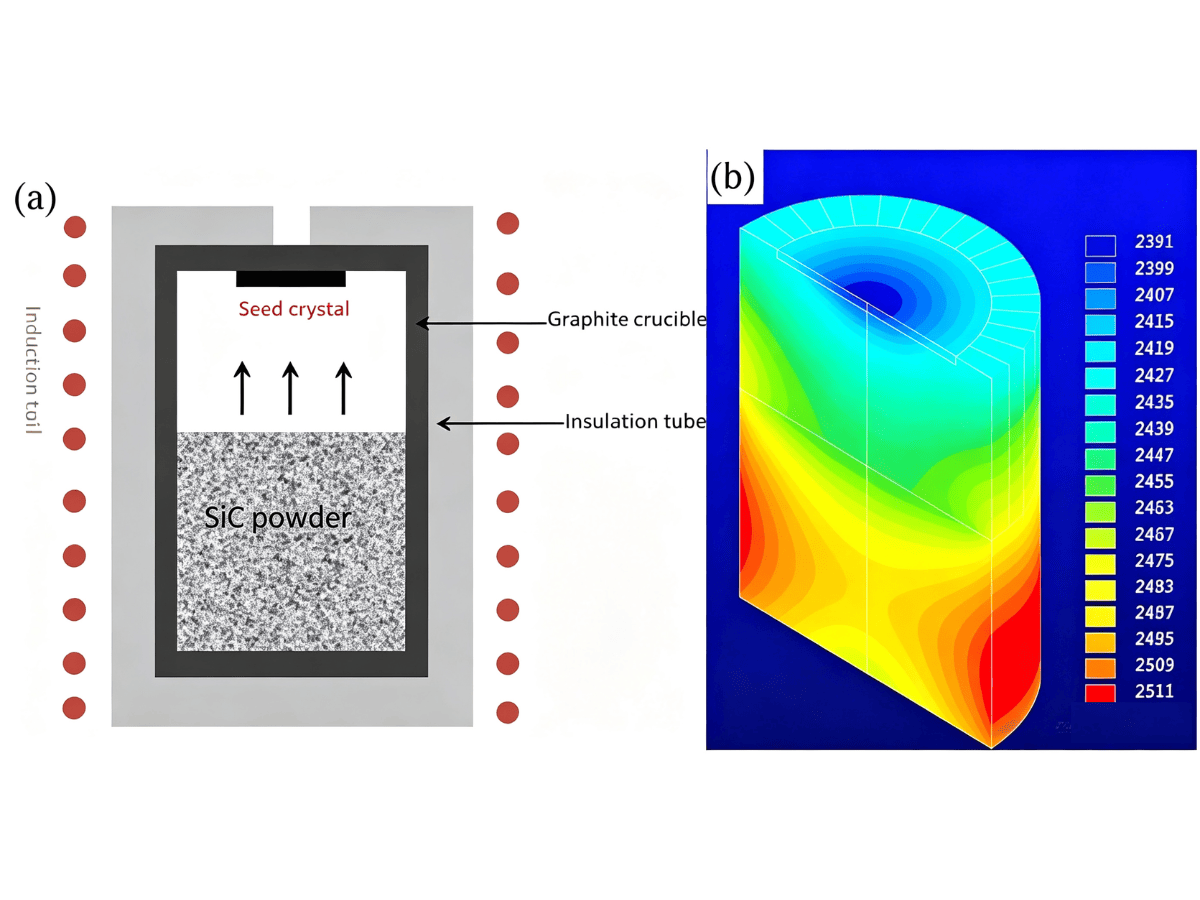
One of the fastest-growing applications for Carbon Carbon Composite is Physical Vapor Transport (PVT) SiC crystal growth.
Inside PVT furnaces, temperatures commonly exceed 2200°C.
CFC components provide:
● High structural strength
● Excellent thermal stability
● Low deformation
● Long service life
3. Vacuum Heat Treatment and Sintering
Carbon Carbon Composite is also widely used in:
● Vacuum furnaces
● Ceramic sintering systems
● Powder metallurgy equipment
4. High-Temperature Structural Components
Many semiconductor processing systems require lightweight structural components capable of carrying significant loads.
Compared with conventional graphite, Carbon Carbon Composite offers:
● Higher specific strength
● Better fatigue resistance
● Improved crack tolerance
Frequently Asked Questions (FAQ)
1. What is Carbon Carbon Composite (CFC)?
Carbon Carbon Composite (CFC) is a carbon-fiber-reinforced carbon matrix material designed for ultra-high-temperature applications requiring exceptional mechanical strength, thermal shock resistance, and dimensional stability.
2. Why is CFC widely used in semiconductor manufacturing?
CFC provides lightweight structural support, excellent thermal stability, and long service life, making it ideal for thermal-field components used in SiC crystal growth, vacuum furnaces, and high-temperature processing equipment.
3. What are the common failure modes of Carbon Carbon Composite?
The most common failure mechanisms include oxidation, delamination, fiber fracture, excessive porosity, and protective coating degradation.
4. What is the future of Carbon Carbon Composite technology?
Future developments focus on ultra-high-purity materials, 3D woven fiber architectures, advanced SiC/TaC protective coatings, higher-density composites, digital thermal-field optimization, and AI-enabled predictive maintenance.
Choose VET Energy
With years of expertise in Carbon Carbon Composite (CFC) and advanced carbon materials, VET Energy provides high-performance solutions for semiconductor thermal field systems, SiC crystal growth, high-temperature furnaces, and advanced coating applications. Our CFC products are manufactured using premium carbon fibers and precision densification technologies, delivering excellent thermal stability, lightweight strength, and long-term reliability in demanding semiconductor environments.
Backed by continuous material innovation, strict quality control, and customized engineering support, VET Energy is committed to helping customers improve process stability, extend component service life, and optimize production efficiency.
Looking for reliable Carbon Carbon Composite solutions for your semiconductor applications? Contact VET Energy today to discuss your project. Our engineering team is ready to provide customized CFC components and professional technical support to meet your specific process requirements. We look forward to building long-term partnerships with customers worldwide.
Post time: Jul-10-2026