
Ⅰ. Introduction
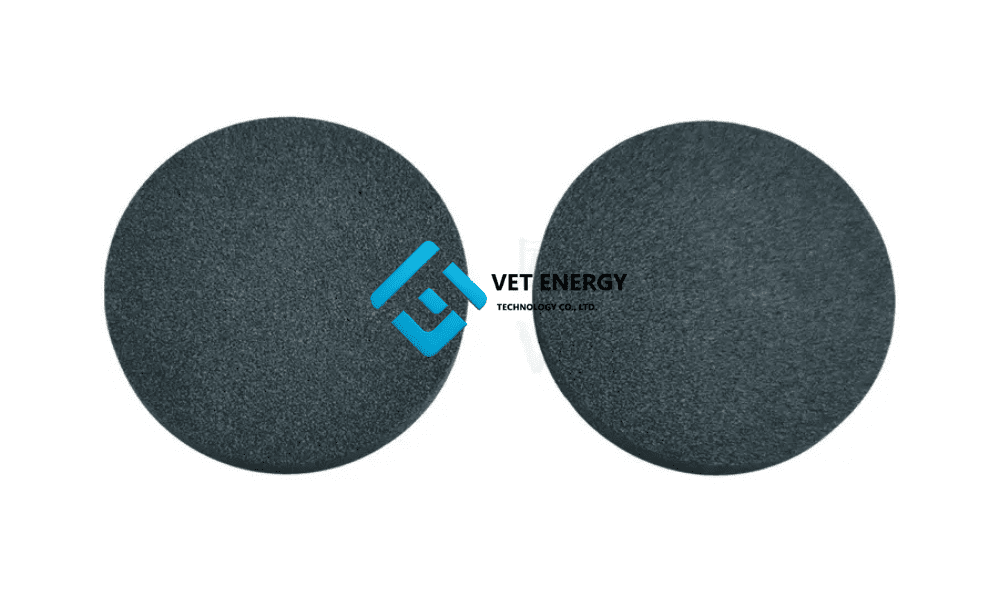
Porous Silicon Carbide (Porous SiC) Ceramics are advanced ceramic materials that combine the outstanding properties of silicon carbide with a carefully engineered porous structure. Unlike dense SiC ceramics, porous SiC introduces interconnected pores that provide additional functions, including controlled permeability, lightweight design, thermal insulation, and enhanced fluid transport capability.
With excellent thermal stability, chemical resistance, and mechanical reliability, porous SiC ceramics have become increasingly important in high-temperature industries, especially semiconductor manufacturing, where process environments demand high purity, corrosion resistance, and long-term operational stability.
Ⅱ. Material Properties of Porous Silicon Carbide Ceramics
1. High-Temperature Stability
Silicon carbide is known for its excellent performance under extreme temperatures due to its strong Si-C covalent bonding. Porous SiC maintains structural integrity in high-temperature environments, making it suitable for semiconductor thermal processing, epitaxy systems, and furnace components.
Its low thermal expansion coefficient and excellent thermal shock resistance help reduce deformation and improve process stability.
2. Superior Chemical and Plasma Resistance
Semiconductor manufacturing involves aggressive gases and plasma environments, including chlorine-based gases, fluorine plasma, and high-temperature reactive atmospheres.
Porous SiC ceramics offer:
- Excellent oxidation resistance
- High chemical stability
- Strong plasma erosion resistance
- Low contamination characteristics
These advantages help reduce particle generation and extend component lifetime in semiconductor equipment.
3. Controlled Porosity and Gas Permeability
The key advantage of porous SiC is its adjustable pore structure. By controlling pore size, distribution, and connectivity, manufacturers can optimize the balance between mechanical strength and permeability.
This unique feature enables porous SiC to function as:
- Gas diffusion materials
- Filtration structures
- Thermal management components
Ⅲ. Processing Technologies of Porous Silicon Carbide Ceramics
The performance of porous SiC ceramics largely depends on manufacturing methods and microstructure design.
Carbothermal Reduction
This traditional process produces porous SiC through high-temperature reactions between silicon-containing materials and carbon sources. It enables the formation of high-purity SiC frameworks with excellent thermal stability.
Liquid Phase Sintering
Liquid-phase sintering uses additives to improve particle bonding and densification. By adjusting sintering temperature and additive chemistry, manufacturers can achieve optimized mechanical strength and pore distribution.
Chemical Vapor Infiltration (CVI)
CVI introduces gaseous precursors into porous structures, where SiC deposits on internal surfaces. This method improves structural strength, purity, and high-temperature durability.
Foaming and Template Methods
Foaming and template-based technologies create hierarchical pore structures by controlling pore-forming agents or sacrificial templates. These methods provide excellent permeability and customized pore architectures.
Ⅳ. Applications in Semiconductor Manufacturing
Due to its unique combination of thermal, chemical, and structural properties, porous SiC ceramics are increasingly used in semiconductor processes.
Gas Distribution Components
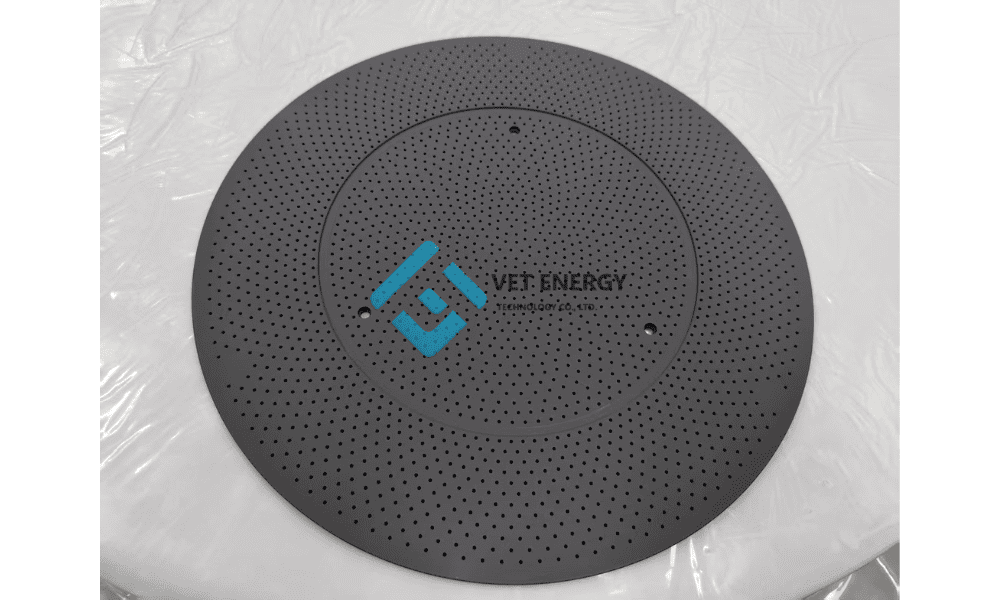
In CVD, PECVD, and ALD systems, porous SiC can serve as gas diffusers and distribution plates to achieve uniform process gas flow and improve film deposition consistency.
Plasma Processing Equipment
In plasma etching and cleaning systems, porous SiC components offer superior resistance against corrosive plasma environments, reducing particle contamination and improving equipment reliability.
SiC and GaN Epitaxy Systems
For third-generation semiconductor manufacturing, porous SiC contributes to improved thermal management and process stability in high-temperature epitaxial growth environments.
Wafer Handling Components
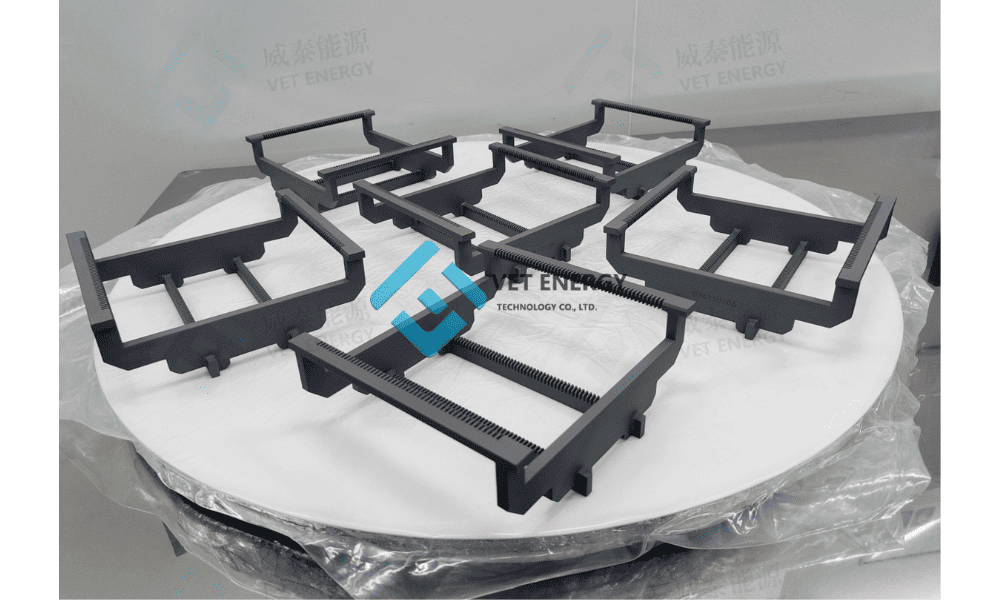
Porous SiC vacuum chucks and wafer supports provide high precision, low contamination, and excellent chemical resistance for wafer inspection, lithography, and thermal processing.
Ⅴ. Conclusion
Porous Silicon Carbide Ceramics represent the evolution of SiC materials from traditional structural ceramics toward functional semiconductor components. Through advanced processing technologies and precise pore structure control, porous SiC achieves an ideal balance between strength, permeability, thermal performance, and chemical stability.
As semiconductor manufacturing continues to advance toward higher temperatures and stricter contamination control, porous SiC ceramics will play an increasingly important role in CVD systems, plasma processing equipment, wafer handling, and next-generation semiconductor fabrication technologies.
Post time: Jul-31-2026